
categories
All Categories
- Bitcoin
- Centralised Exchanges
- Crypto
- Crypto Asset Volatility
- Crypto Correlations
- Crypto Governance
- Crypto in the Portfolio
- Crypto Valuations
- DeFi
- ESG
- Ethereum
- Investment Highlight
- Regulation
- Security and Privacy
- Social Media Influence
- Stable Coins
- Traditional Finance and Crypto
- Uncategorized
- UNSDG
- Web 3.0
Authors
All Authors

The Case For Crypto In 2026
by Quinn Papworth
2025 has been a turbulent year for crypto assets. Bitcoin, the industry’s bellwether, has lagged both tech stocks and gold after its October swoon. The bout of volatility has prompted some investors to question the asset class’s staying power. Yet the fundamental case for crypto looks sturdier than the headlines suggest. Regulatory and institutional tailwinds are beginning to align, helped by a more benign macroeconomic backdrop, just as adoption and integration continue to deepen.
Regulatory Support
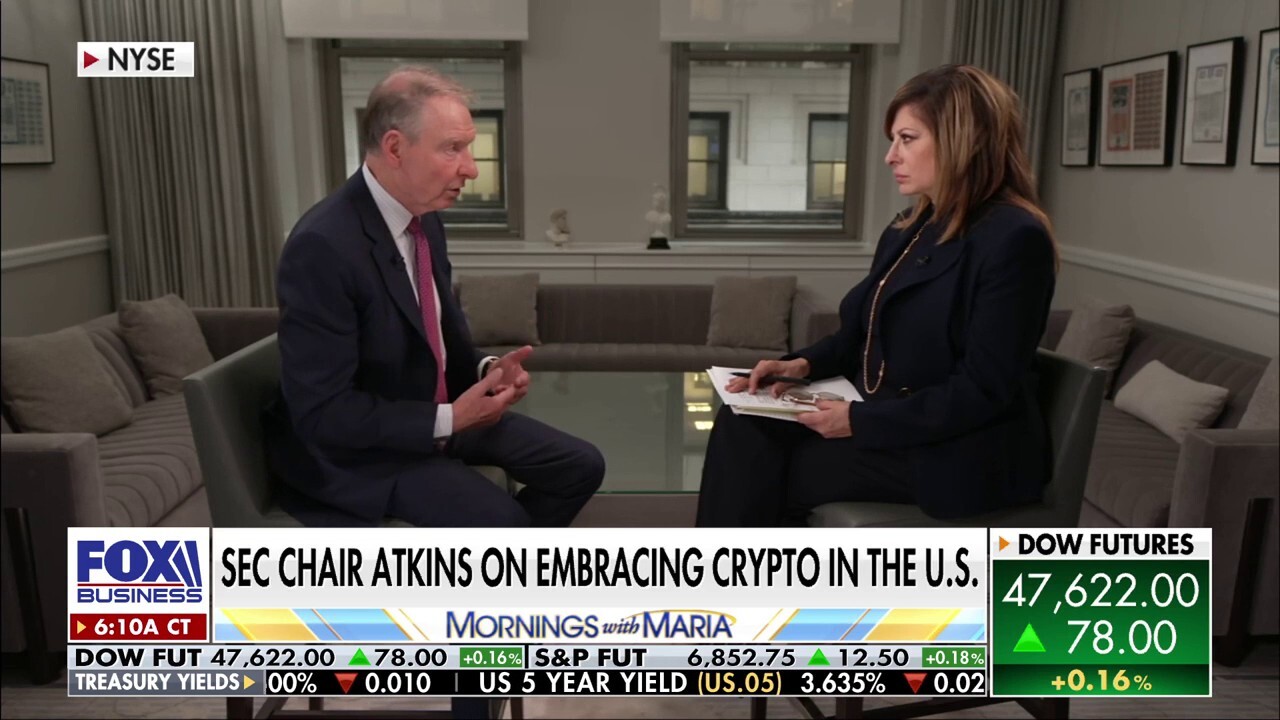
Paul Atkins, the SEC’s chairman, has become one of Washington’s most vocal champions of digital assets. In a recent interview he argued that “the next step is coming with digital assets and digitisation, [the] tokenisation of the market,” adding that the shift could arrive faster than many expect, “maybe a couple of years from now”. Legislative progress has been uneven in recent months: the CLARITY Act has stalled amid opposition from Senate Democrats, notably Elizabeth Warren, who bridle at the Trump family’s proximity to the industry. Even so, regulators at the SEC and CFTC insist they are working to “embrace [crypto] technology” and bring activity onshore under clearer, more predictable rules. Expectations remain that CLARITY will still continue to pass in 2026.
Institutional Uptake
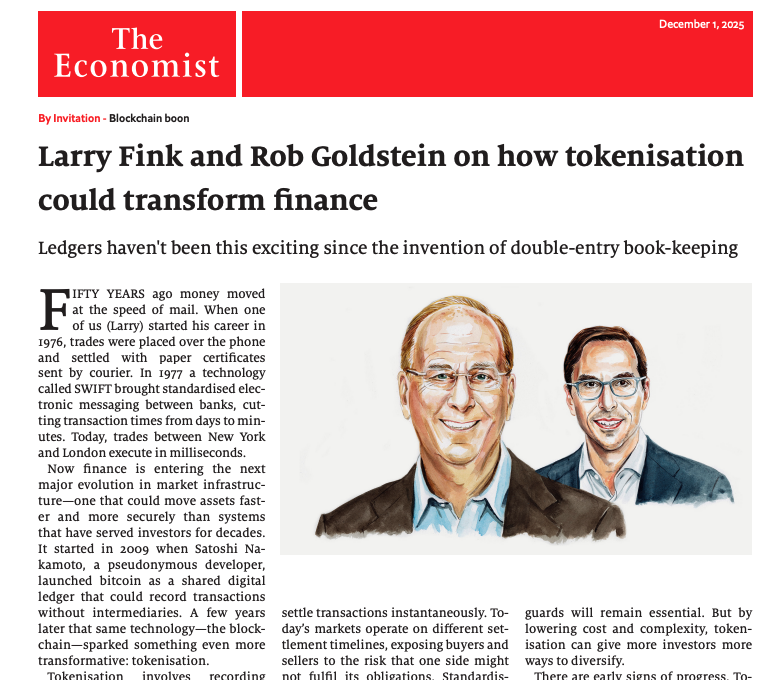
Institutional sentiment has shifted markedly. Vanguard, the world’s second-largest asset manager, has reversed its long-standing refusal to offer crypto products and will introduce crypto ETFs for clients. Charles Schwab will not only support crypto ETFs but also offer spot trading in major tokens. These platforms could unlock sizable flows into Bitcoin and Ethereum. BlackRock, the industry’s behemoth, remains unabashedly bullish as its ETF offerings and tokenised fund BUIDL continue to excel: last week its chief executive officer, Larry Fink, wrote an op-ed in The Economist ‘how tokenisation could transform finance’ arguing that “tokenisation today is roughly where the internet was in 1996” and that it “could advance at the pace of the internet – faster than most expect, with enormous growth over the coming decades”.
A Supportive Macro Environment
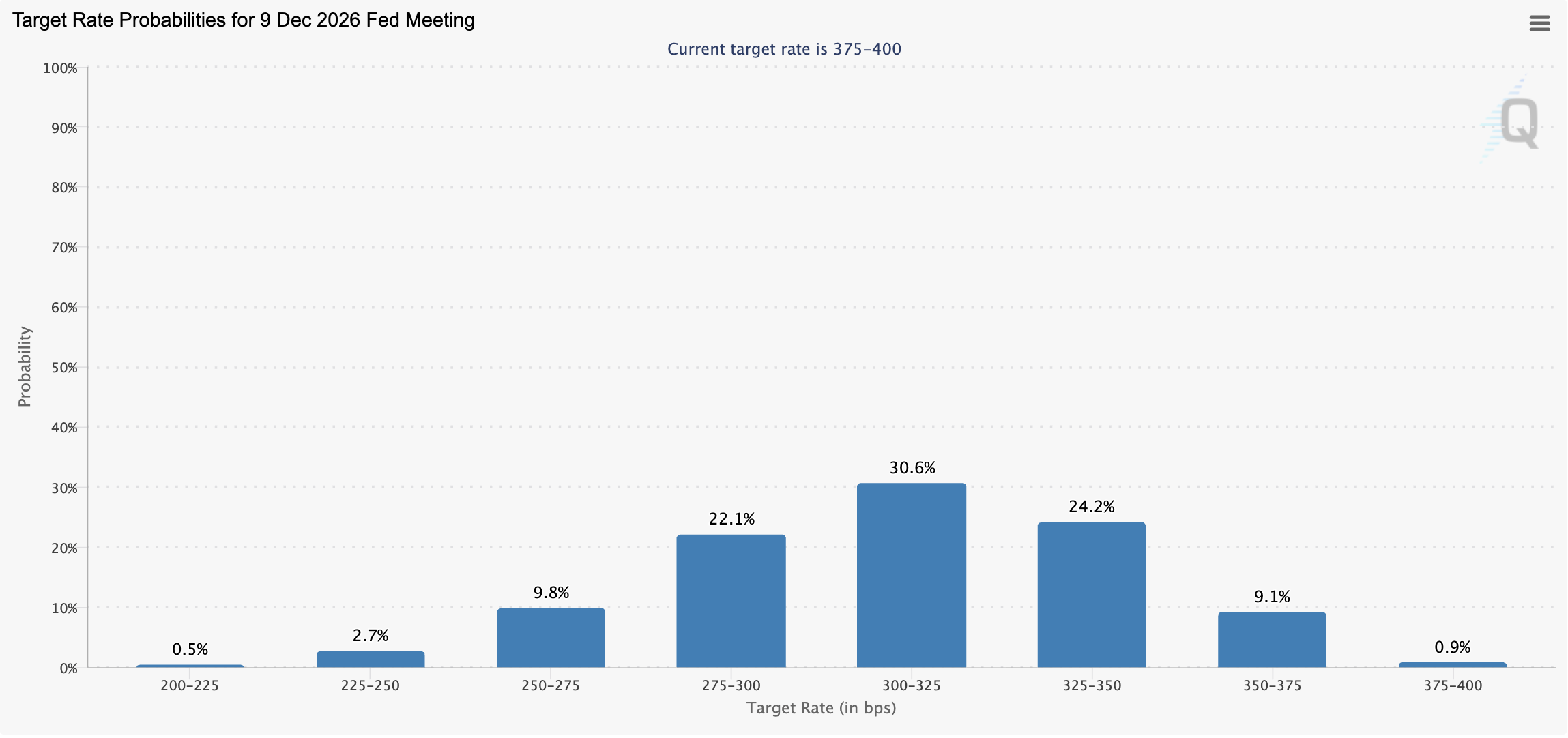
The macro environment is also turning more hospitable. Quantitative tightening is nearing its end, and market polls expect two rate cuts over the next year as inflation edges lower. Forecasts for American GDP growth have been revised upwards, some as high as 2.8% on the back of AI-driven productivity gains. Such conditions tend to favour digital assets: Bitcoin has historically shown an inverse relationship with Fed policy rates and a positive one with the performance of tech markets.
Improved Tech and Usage
Meanwhile, crypto’s plumbing has improved quietly but substantially. Ethereum’s transaction fees, once a perpetual irritant, now average between $0.01 and $0.52, while throughput has continued to rise thanks to the rise of layer-2 scaling solutions. These efficiencies have helped stablecoins seep into traditional finance as a Trojan horse for broader adoption. Firms such as Stripe, Revolut and Klarna are steadily expanding their use as infrastructure for payments, settlement and cross border transfers.

As 2026 approaches, crypto finds itself at a fortuitous intersection: a friendlier SEC, Wall Street’s conversion, an easing Fed amid AI-driven growth, and technology that is becoming faster, cheaper and more integrated with tradfi rails. While macro risks remain, the foundations for crypto look firmer than they have in years.

Quinn Papworth
Quinn holds a Bachelor of Business from RMIT, majoring in Finance & Blockchain Enabled Business and has 4 years experience actively investing in crypto markets. Quinn is an analyst at Apollo Crypto and is deeply passionate about producing accessible crypto research content to help educate and onboard users.